Understanding the Difference Between Torsion and Extension Springs in 2024
The mechanics of springs play a crucial role in numerous purposes, from on a regular basis household items to complicated machinery. Understanding the variations between torsion and extension springs might help you select the proper type for your particular wants.
Devon Garage Door Opener Troubleshooting
What Are Torsion Springs?
Torsion springs are designed to exert a torque or rotational force. They work by twisting, storing power in the coil because it turns round its axis. These springs are generally used in functions requiring controlled rotational movements. For occasion, you'll find torsion springs in gadgets like clothespins and garage doors, where resistance to wind or gravity is needed.
- Mechanism: Torsion springs store power when they're twisted. The force exerted increases as the spring is twisted farther from its impartial position. Common Uses: Found in purposes ranging from St. Albert's storage mechanisms to Spruce Grove’s industrial machines. Design Features: Typically, they include tightly wound coils round a strong center. This construction allows them to withstand constant twisting forces.
What Are Extension Springs?
Comprehensive Garage Door Overhauls Sherwood Park
Extension springs, distinct from torsion springs, are designed to absorb and retailer energy when they're stretched. These springs provide resistance to pulling forces and return to their original shape when the force is removed. They are sometimes found in functions requiring pulling or tension, similar to within the doors of sure appliances and different equipment.
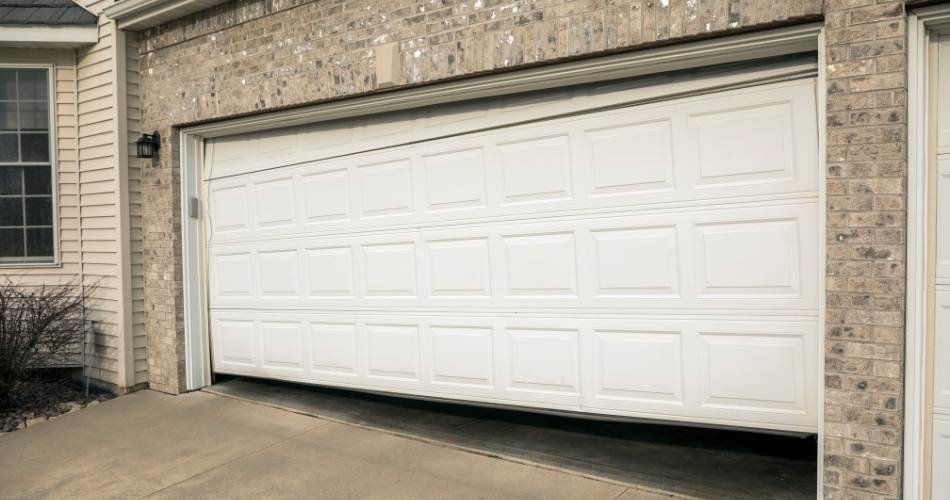
- Mechanism: Extension springs function by elongating. The extra they are stretched, the more force is exerted to return to their authentic form. Common Uses: Often utilized in Beaumont's automotive industry or in gear present in Fort Saskatchewan developments. Design Features: Typically have coils with hooks or loops at every finish for secure attachment factors.
Key Differences Between Torsion and Extension Springs
Garage Door Hinge Repair Edmonton Specialists
Understanding the http://beauhkbz037.theburnward.com/dependable-garage-door-installation-repairs-stony-plain distinct traits of those two types of springs can help you discern which one fits your utility. Here are the primary variations:
- Type of Force: Torsion springs generate a torque from rotational motion, whereas extension springs generate force when pulled aside. Shape and Design: Torsion springs are wound around a middle axis, whereas extension springs are cylindrical and have hooks or loops at each ends. Applications: Torsion springs are perfect for applications needing to resist rotational forces, corresponding to in Leduc’s home items, whereas extension springs excel in eventualities requiring tension, like in Spruce Grove's automotive components.
Quality Garage Door Alignment Fort Saskatchewan
Applications and Uses in Local Industries
Both torsion and extension springs discover in depth use throughout completely different industries, together with manufacturing, automotive, and residential functions - Dependable Garage Door Repair Sherwood Park. Here’s how these springs are utilized in some localities:
Torsion Springs
- **Sherwood Park**: Often used in door hinge assemblies, permitting for easy operations. - **Devon**: Integral in sports tools, similar to resistance bands and weights.Extension Springs
- **Morinville**: Common in storage doors, offering the necessary tension for lifting doors efficiently. - **Ardrossan**: Frequently present in furniture mechanisms, making certain clean functioning of recliners and sofas.Beaumont Garage Door System Maintenance
Each of those springs serves a specific objective to reinforce product performance and efficiency - Energy-Efficient Garage Door Repair Devon. Understanding their roles helps manufacturers design higher products tailored to meet shopper needs
Choosing the Right Spring for Your Application
When deciding between torsion and extension springs, contemplate the specific mechanical requirements of your software. Here are some tips to guide your selection process:
High-Quality Garage Door Maintenance Devon
- Identify the Forces Involved: Determine whether or not you need resistance to twisting (torsion) or pulling (extension). Evaluate Space Constraints: Analyze the working environment, as area might determine the shape and size of the spring you need. Material Considerations: Choose the best material based on corrosion resistance and strength, which may be vital in areas like Fort Saskatchewan's industrial sectors.
Conclusion
Garage Door System Overhaul Spruce Grove
In abstract, the difference between torsion and extension springs lies of their fundamental operations and applications. Torsion springs excel in offering rotational resistance, making them excellent for functions that require torque, whereas extension springs are ideal for functions that necessitate tension and pulling. Whether you're in Stony Plain, Leduc, or any other locale, understanding these variations will empower you to make informed choices for your spring necessities. Don’t hesitate to seek the guidance of with industry professionals to make sure the most effective fit for your particular needs!